
People
People of Hulu Tembeling
Home to around 5,000 people, Hulu Tembeling is a landscape shaped as much by its communities as by its forests and rivers. Malay villages and indigenous Orang Asli settlements line the Tembeling River in the buffer zone of the Al-Sultan Abdullah Royal Tiger Reserve. Rubber tapping, fruit orchards and fishing sustain most households, while some Orang Asli families still rely on non-timber forest products and generations of forest knowledge. Local people are protectors, stewards and knowledge keepers of this landscape — part of its conservation story, not separate from it.
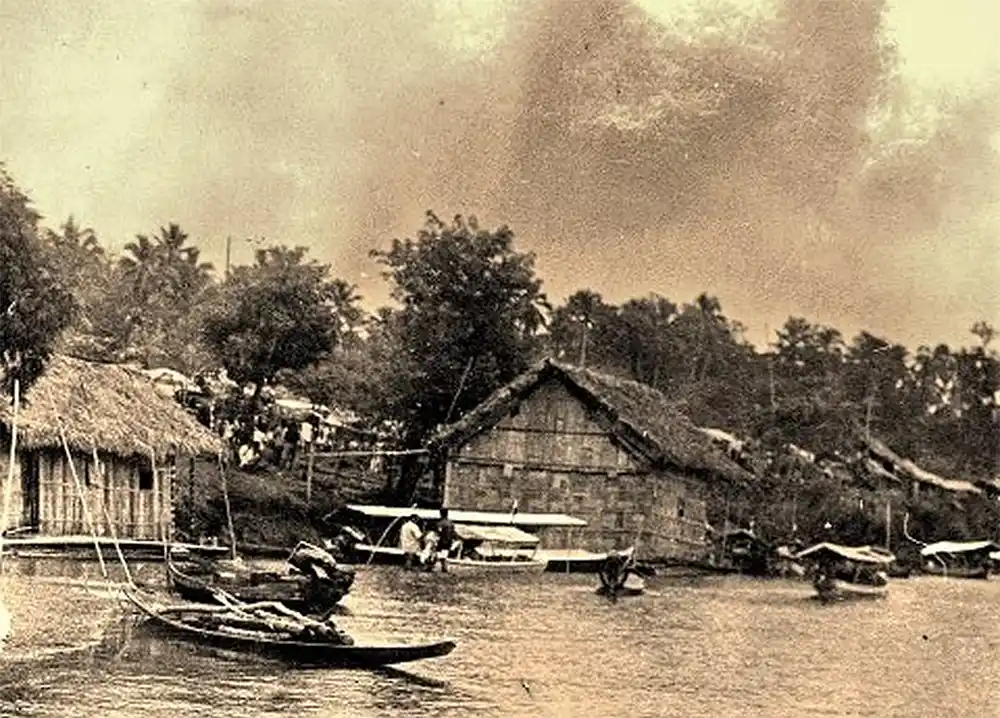
A Long History of Human Occupation
Hulu Tembeling has a long history of human occupation, with various peoples moving through this part of the Malay Peninsula over thousands of years. An important archaeological site today, the region was home to the prehistoric Hoabinhian and Neolithic peoples, as well as the ancestors of today’s Batek and Senoi indigenous peoples.
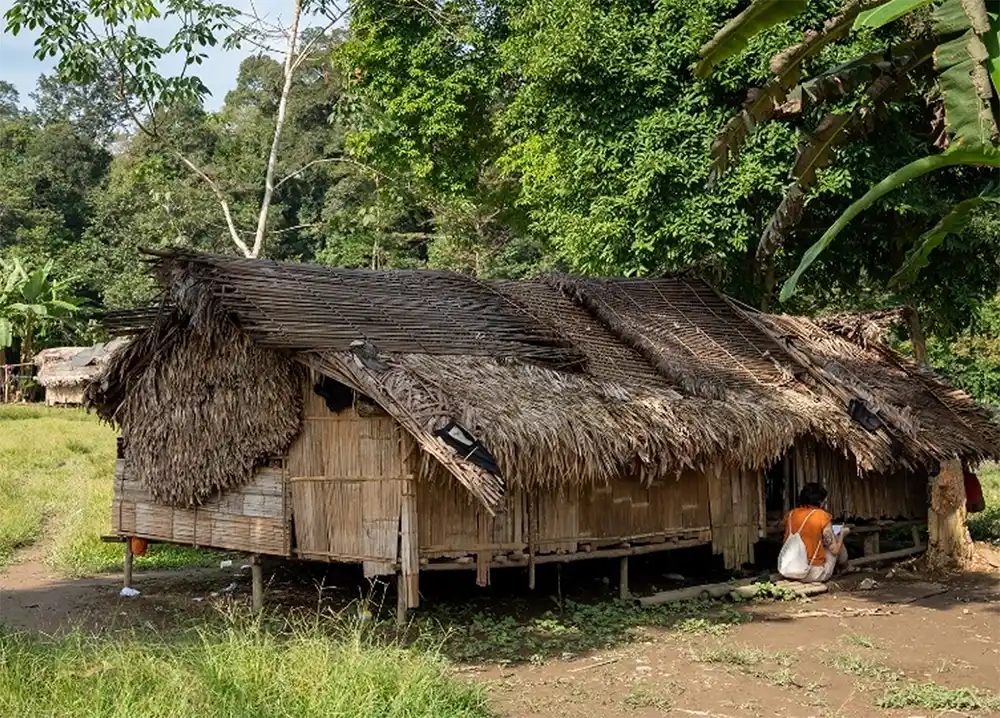
Orang Asli Cultural Heritage
The Semaq Beri and Batek peoples carry living traditions that connect this forest to its deepest past. The Batek, the last remaining nomadic hunter-gatherers in Peninsular Malaysia, maintain knowledge of forest medicinal plants and a way of life shaped by the rhythms of this landscape. The Semaq Beri, including communities in upstream villages such as Kampung Kucing, preserve traditions in handicrafts, wild honey collection and subsistence fishing.
Mat Kilau and the Pahang Uprising
Hulu Tembeling served as a place of refuge during one of Malaysia’s most significant chapters of resistance. Mat Kilau and his followers sought shelter here during the Pahang Uprising of the 1890s. Many residents of Kampung Bukit Mat Daling today are direct descendants of those who fought alongside him.
People of Hulu Tembeling
Five main Malay villages line the banks of the Tembeling River, each shaped by its own relationship with the water, forest and farmland around it.
Kampung Pagi
Kampung Pagi
The first village travellers reach along the Kuala Tahan–Mat Daling road, Kampung Pagi is known for its close-knit, multigenerational community and strong cultural traditions, including silat and traditional drumming.
Kampung Kuala Sat
Kampung Kuala Sat
The most populous village in the region. Its cooperative-led approach to community-based tourism has earned national recognition, including the ASEAN Tourism Standard Award for Community-Based Tourism (2025–2027).
Kampung Bantal
Kampung Bantal
Population: approximately 500. Positioned at the confluence of the Tembeling and Sepia rivers, Kampung Bantal is a natural meeting point for the wider Hulu Tembeling community and is home to the historic Istana Sri Tembeling.
Kampung Gusai
Kampung Gusai
The most remote of the major Malay villages, reachable only by boat or a river crossing, Kampung Gusai has an ageing population but a warm, tightly knit community life built around its distinctive U-shaped layout.
Kampung Bukit Mat Daling
Kampung Bukit Mat Daling
The second-largest village in the region. Closest to the Reserve boundary, it carries a strong connection to the resistance fighter Mat Kilau and is home to a clinic, kindergarten and boarding primary school.
Orang asli Villages
Two indigenous villages sit within the Hulu Tembeling landscape, each preserving distinct traditions of forest life.
Kampung Kucing (Semaq Beri)
One of the more remote indigenous communities, upstream of Kampung Kuala Sat, where Semaq Beri families continue traditions in handicraft, wild honey collection and forest knowledge.
Kampung Bengoi (Batek)
Home to the Batek, the last remaining nomadic hunter-gatherer people in Peninsular Malaysia, their life is closely tied to the forest, from traditional shelter-building to knowledge of medicinal plants.
Curious what a visit to Hulu Tembeling looks like?