
Protection
Key Threats to the Malayan Tiger
Lack of Nutrition
For every 10 tigers, an area must support over 500 births of deer, wild boar or seladang annually to sustain the population. For a breeding population to survive in the long term, its habitat must meet these nutritional needs. By improving nutrition, we can expect their numbers to increase.
Wild boar populations have declined sharply due to African Swine Fever outbreaks, while sambar deer density in the region is extremely low. As a result, tigers may venture into human settlements, becoming vulnerable to capture, poaching or retaliatory killing.
Loss of Lowland Habitat
Almost all extensive lowland forests in the region have been converted to oil palm and rubber plantations. The Malayan tiger requires up to 300 km² of predominantly forested land to roam and thrive.
Tigers need habitats with fertile lowland sites to support healthy prey populations. Most remaining forested land in Pahang consists of shallow soils on slopes and ridge tops that are too low in fertility, making conservation of remaining lowland areas critical to the species’ long-term survival.
Hunting & Poaching
Poaching is a critical threat to Malayan tiger populations. Every part of the tiger is highly valued in the illegal wildlife trade and traditional medicine, from skin and bones to whiskers. Opportunistic poachers use large, expertly set steel snares that are deadly to both tigers and their prey. Organised syndicates exploit gaps in law enforcement and corruption.
To protect Malayan tigers, it is essential to strengthen enforcement, engage local communities and raise conservation awareness. Addressing poaching is vital for the survival of this iconic species and the health of the ecosystem.
Addressing Threats Against the Malayan Tiger
Managed by Pahang State Parks Corporation, the Reserve is operated by Enggang Management Services, assisted by expert partners with specific conservation expertise:
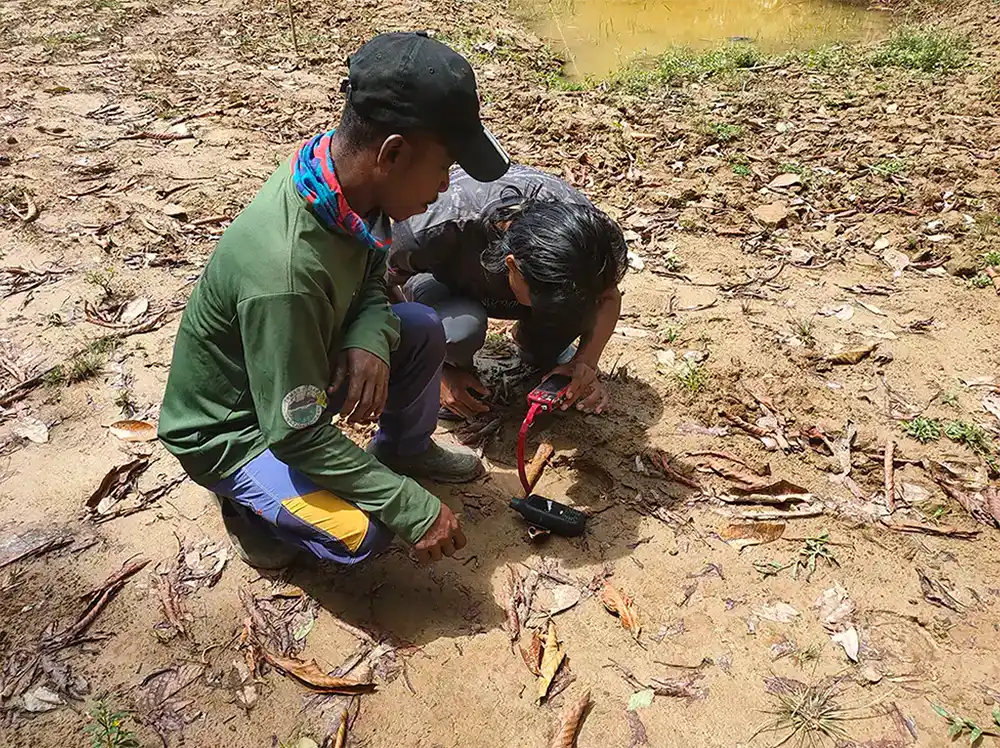
Regular
Enforcement
Consistent, well-coordinated deep-forest patrols covering key access points and buffer zones are essential to protecting the Reserve. Rangers are trained and equipped with real-time alert systems for rapid response, while local and indigenous communities serve as a vital first line of defence through active collaboration with enforcement teams.
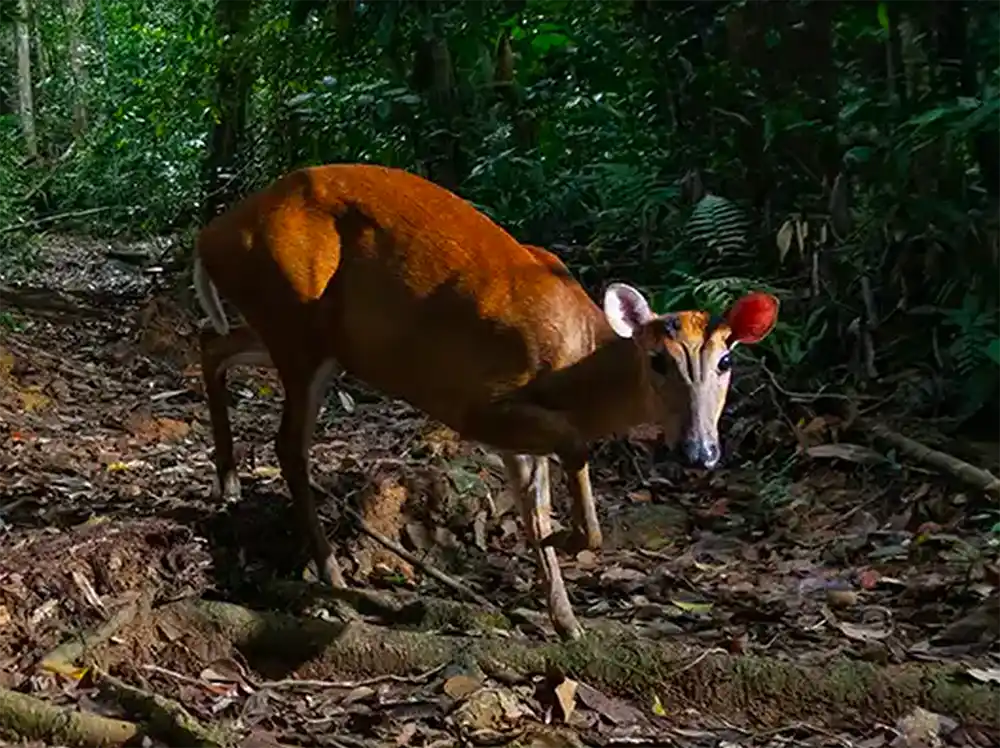
Prey
Augmentation
Sustaining a healthy tiger population depends on a reliable food supply. The Reserve enhances key habitats by developing grazing areas, cultivating vegetation that attracts herbivores, and maintaining artificial mineral lick sites, creating the conditions for prey populations to grow and thrive across the landscape.
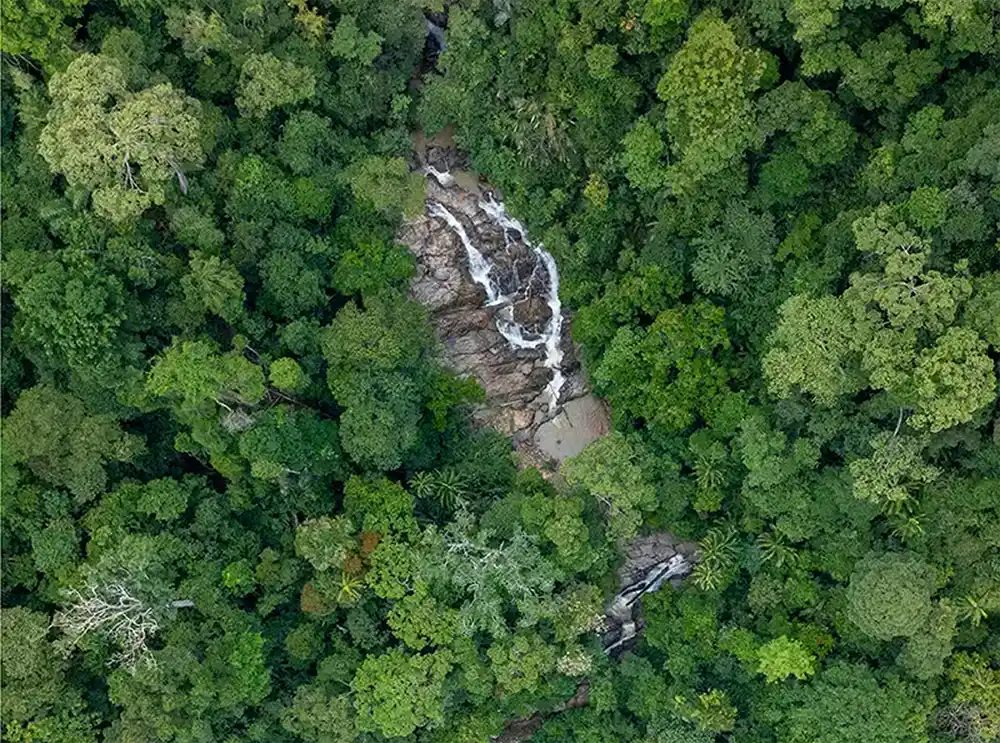
Governance &
CA|TS
Effective conservation requires governance and management systems aligned with global standards. The Reserve is working towards Conservation Assured | Tiger Standards (CA|TS) certification, while the Pahang State Parks Enactment 2021 is being strengthened to address key legal gaps and build a more robust foundation for protected area management.
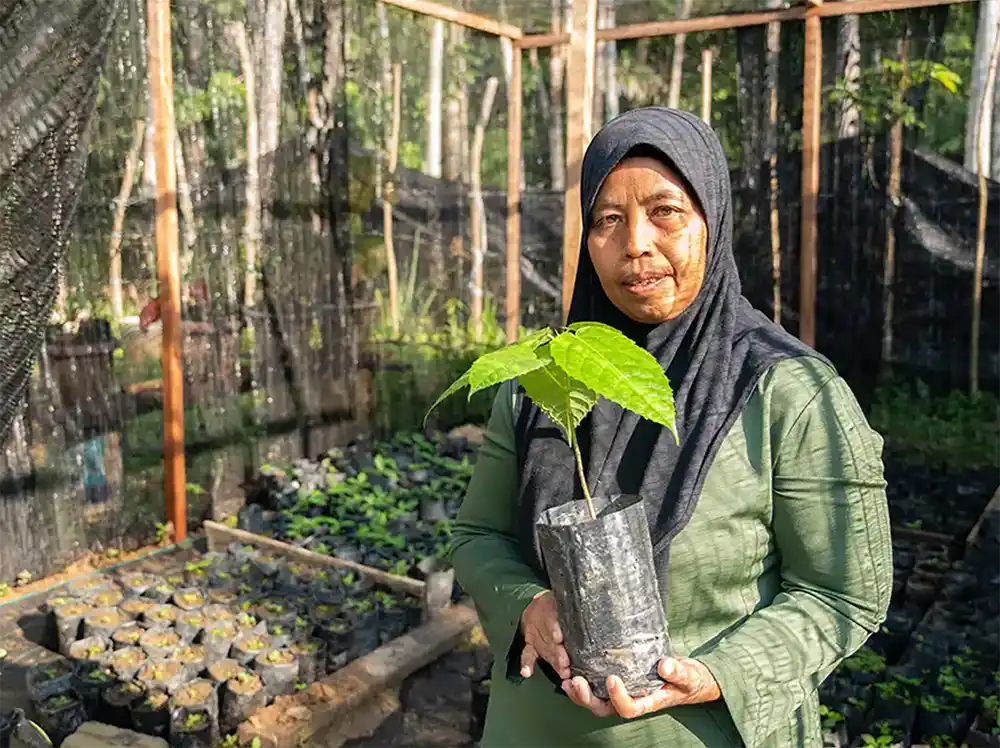
Community
Collaboration
With over 4,000 local and indigenous people living alongside the Reserve, community engagement is not just important; it is essential. A responsive, open communication framework addresses the realities of living alongside wildlife while supporting education, training, and ecosystem restoration programmes that benefit both people and nature.
Five Conservation Strategies
Conservation within the Al-Sultan Abdullah Royal Tiger Reserve is built on five strategic pillars:

Tiger & Prey Protection
Demarcating and enforcing the boundaries of the Reserve, building the capacity of rangers and Reserve patrols to protect the landscape from poaching and encroachment.

Tiger, Prey & Habitat Management
Planting trees and pastures as food sources to increase the productivity of prey animals, improving nutrition and supporting a sustainable wild tiger population.
Research & Monitoring
Preparing a Tiger Monitoring Plan, establishing research facilities and conducting long-term monitoring to manage tiger populations through data-driven decisions.

Community Resilience & Livelihoods
Supporting indigenous peoples and local communities through consultation, human-wildlife conflict mitigation, and enabling villages in Hulu Tembeling to harness their natural, historical and cultural resources through ecotourism, conservation and entrepreneurship.

Protected Area Management System
Developing a strong foundation for governance and management of the protected area, and establishing a system for the sustainable use of natural resources by the local community.